One Room, Four Problems Nobody's Solved Yet
Pricing that punishes small groups and leaves revenue on the table
Most escape room booking platforms show a single per-person rate — say, $18 per head — regardless of group size. But the economics of a room don't work that way. The room costs the same to run whether two people book it or ten. A couple paying $18 each generates $36. A group of ten at a tiered rate of $14 each generates $140. Locking pricing to a flat per-person rate leaves operators unable to attract price-sensitive customers, penalises smaller groups for booking, and misses the real opportunity: filling the room.
Asking customers to commit to a headcount they can't guarantee
Booking for a group is rarely straightforward. Someone might cancel the morning of. A friend falls sick. Plans shift. When a booking platform forces customers to lock in eight people upfront — at a fixed per-person rate — hesitation sets in. Rather than commit and risk paying for a no-show, customers either book at the last minute when they know exactly who's coming, or they don't book at all. Both outcomes hurt operators: last-minute bookings compress planning time, and lost bookings mean empty rooms.
No way to reflect what a Friday night is actually worth
Demand for escape rooms isn't flat. Friday and Saturday evenings fill fast; Tuesday afternoons sit empty. Yet most booking platforms offer no practical way to configure different rates across the week. Operators end up with a single price that either undercharges during peak hours or overprices the quiet slots that most need filling. The ability to run a lower midweek rate — or a premium weekend price — isn't a luxury, it's a basic revenue management tool that most platforms simply don't offer.
Room resets that don't exist in the booking system
Every escape room operator knows that the time between sessions isn't downtime — it's work. Props need resetting. Clues need restoring. The room has to be ready before the next group walks in. But most booking platforms schedule back-to-back without accounting for any of this. The gap between sessions has to be managed manually: blocking out calendar time, remembering to do it for every slot, every room, every day. One missed buffer and a group is waiting in the lobby while staff scramble to reset inside.
How SKEQ Supports Escape Room Operators
Every Room, Its Own Calendar
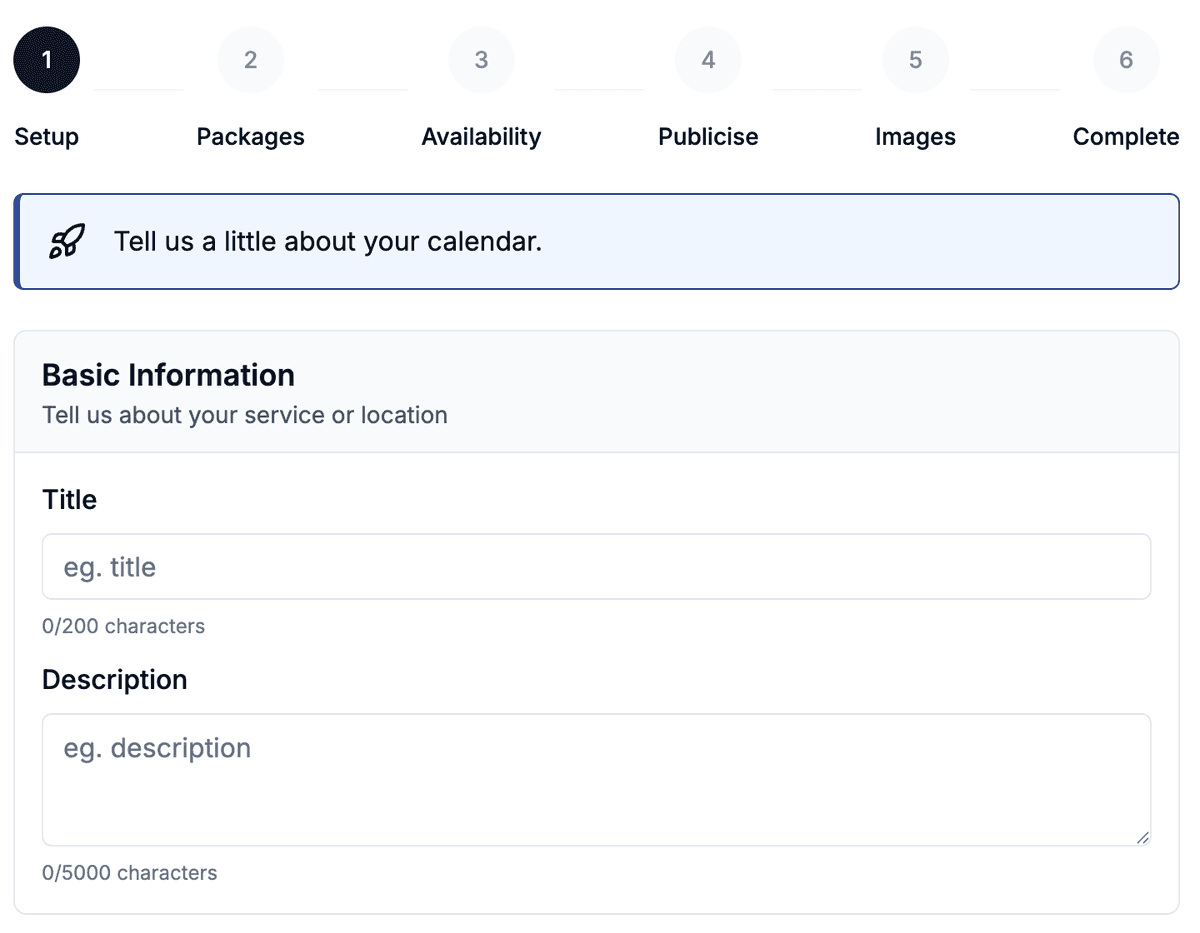
In SKEQ, each escape room gets its own calendar. That means each room carries its own availability, its own pricing, and its own booking configuration — independently of every other room in the venue. This matters because rooms are rarely interchangeable. A two-player horror room runs differently from a family-friendly adventure built for eight. Each has its own time slots, its own capacity limits, its own price points, and potentially its own booking rules.
Built-In Breathing Room Between Sessions
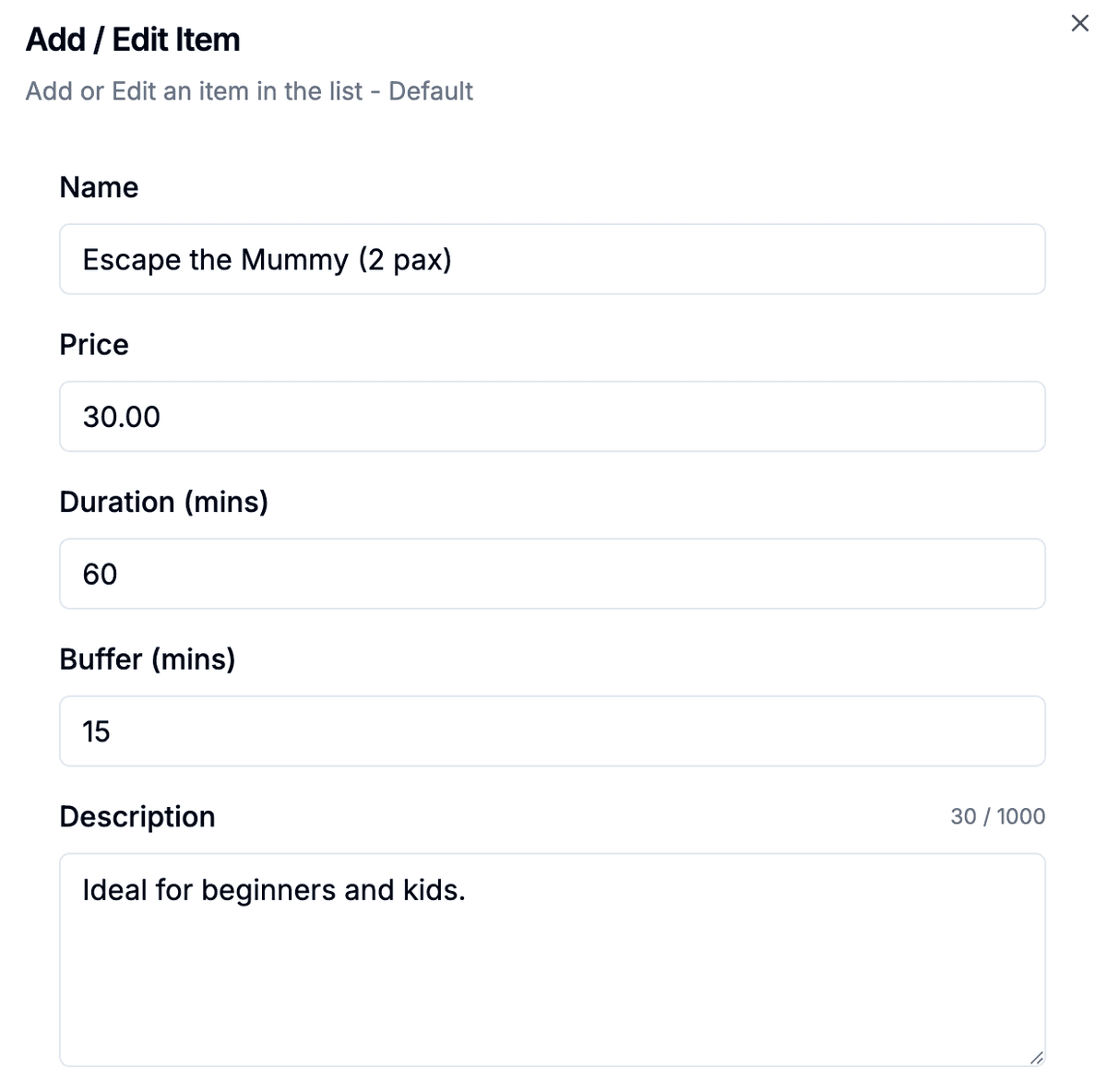
SKEQ lets operators configure a buffer period after each booking — a window of time that is automatically held between the end of one session and the start of the next. For escape rooms, this is the reset window: props back in place, clues restored, the room ready before the next group arrives. Without it, back-to-back bookings work on paper but create pressure in practice. Staff are rushing, guests are waiting in the lobby, and the experience suffers before it begins.
Tiered Pricing That Reflects How Rooms Actually Fill
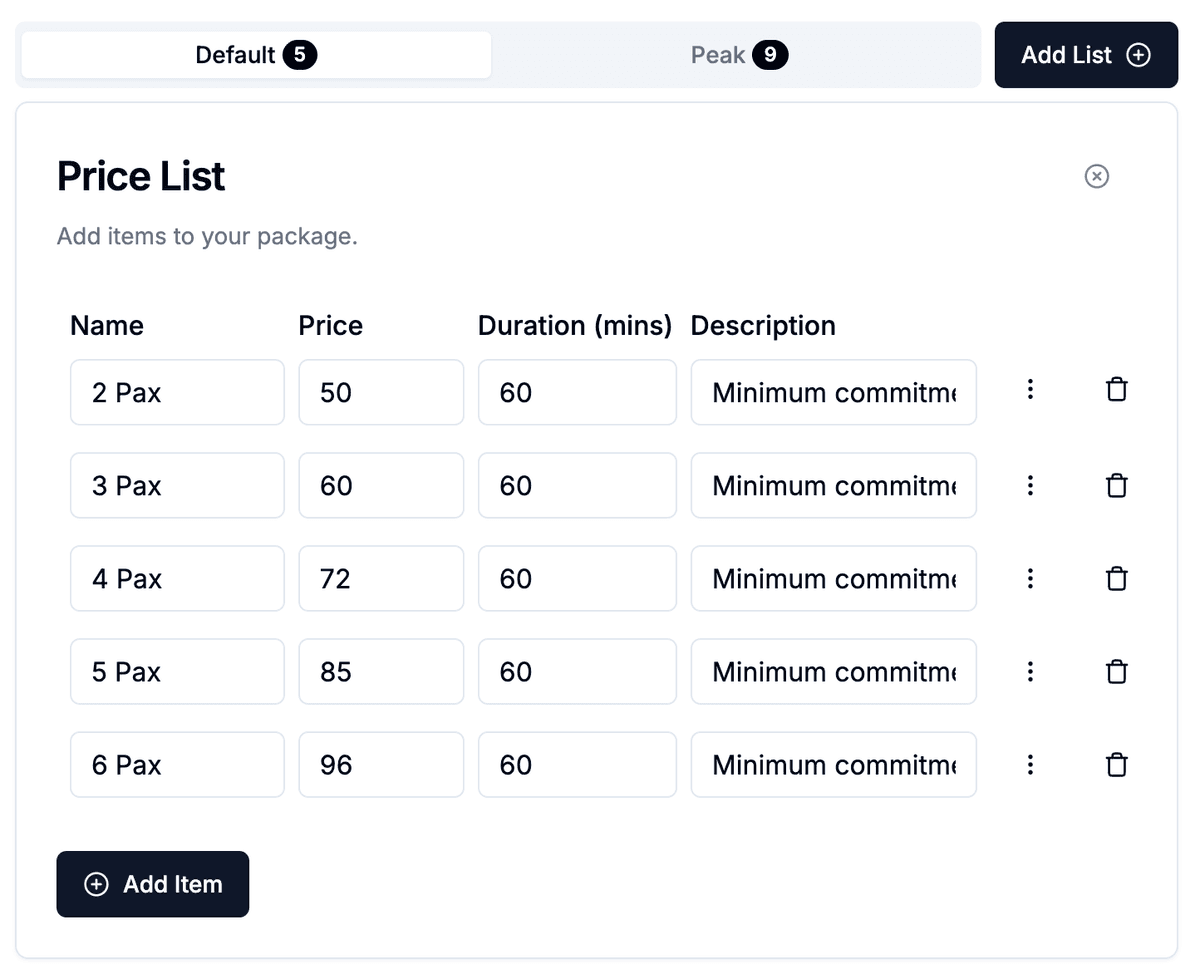
SKEQ allows operators to configure group-size pricing tiers, so the total cost of a booking is clear from the moment a guest selects their group size Each tier maps a headcount to a flat session price. A two-person booking costs $50. Three people, $60. Six people, $96. The rate per person quietly decreases as the group grows — reflecting the reality that the room's sunk cost is fixed regardless of how many people walk through the door. Larger groups get a better deal; operators fill the room more reliably and yield more revenue.
Charge What Each Slot Is Actually Worth
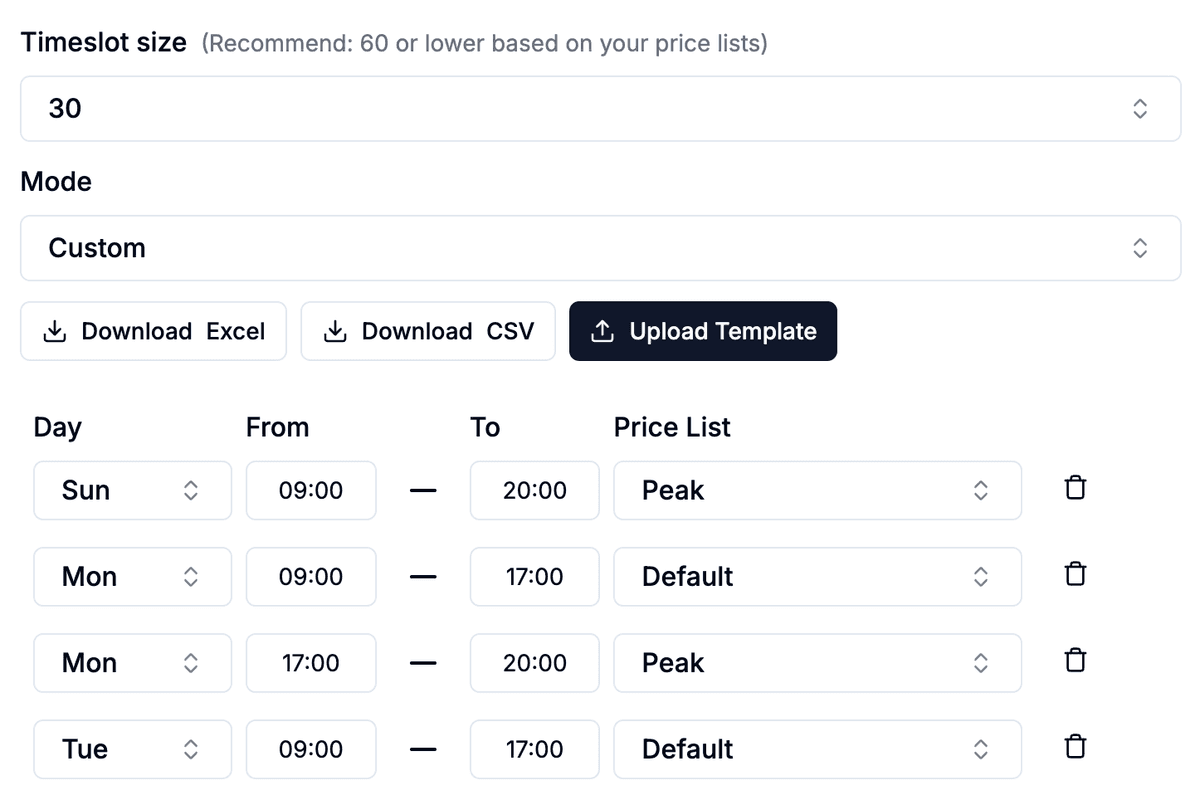
Friday at 8pm and Tuesday at 2pm are not the same product. One fills itself — the other needs a reason to book. A flat rate across the week means either leaving money on the table during peak hours or overpricing the quiet slots that most need filling. SKEQ lets operators assign different price lists to individual time slots. A weekday afternoon rate, a weekend evening premium, a limited-time promotion for a newly launched room — each slot shows only the pricing relevant to it. Guests see a clear price for the time they want. Operators run meaningful revenue management without needing a separate system to do it.
Book for Six, Commit to Two
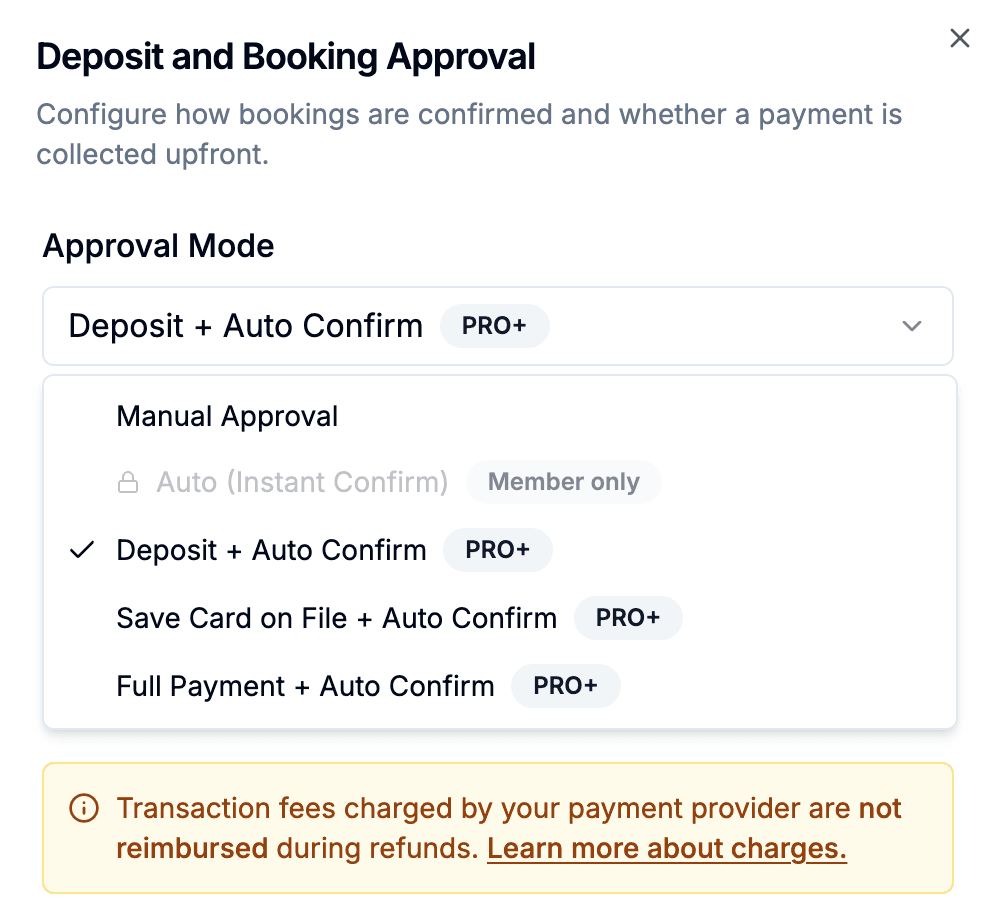
Nobody wants to commit $90 upfront for six people when there's a real chance one friend cancels the morning of. That hesitation is why groups default to booking last minute — or don't book at all. SKEQ lets operators collect a fixed deposit set to the minimum viable headcount — say, the two-person tier at $36 — while the group books for six. The slot is confirmed, the floor revenue is secured, and the balance is settled on arrival based on who actually shows up. No penalty for the friend who didn't make it.
One Staff Member, Multiple Rooms Running Smoothly
When every room starts at the same time, every room also ends at the same time. One person cannot greet a new group, reset a finished room, and brief another group simultaneously. The math doesn't work — and operators end up overstaffing to cover a crunch that only lasts twenty minutes. Because each room in SKEQ is its own calendar, start times can be staggered independently. Room one kicks off at 2:00pm, room two at 2:30pm, room three at 3:00pm. One session is wrapping up while another is mid-game and a third is just beginning. A single staff member can move between rooms — briefing, resetting, welcoming — without everything landing at once.
Consent Collected Before the Day, Not During It
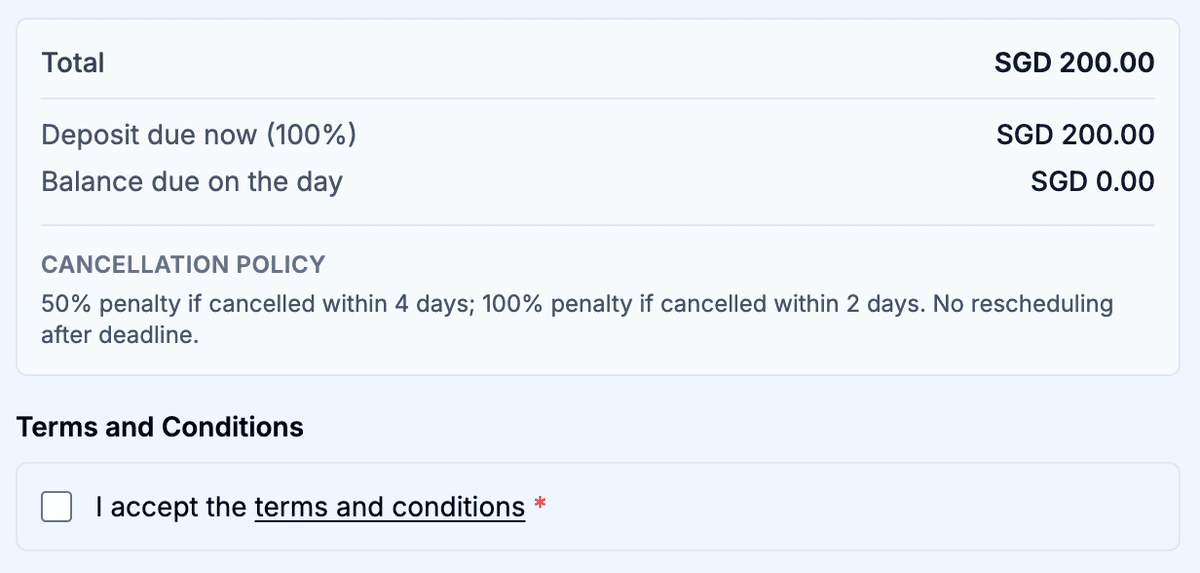
Passing a clipboard around a group of excited guests the moment they walk in is not a great start to the experience. It slows things down, holds up the briefing, and turns an operational necessity into an awkward first impression. SKEQ lets operators attach their terms and conditions directly to the booking flow. Guests read and accept before they confirm their reservation — so by the time they arrive, consent is already on record. No forms, no friction on the door, no time lost before the clock starts.
One Page for Every Room You Offer
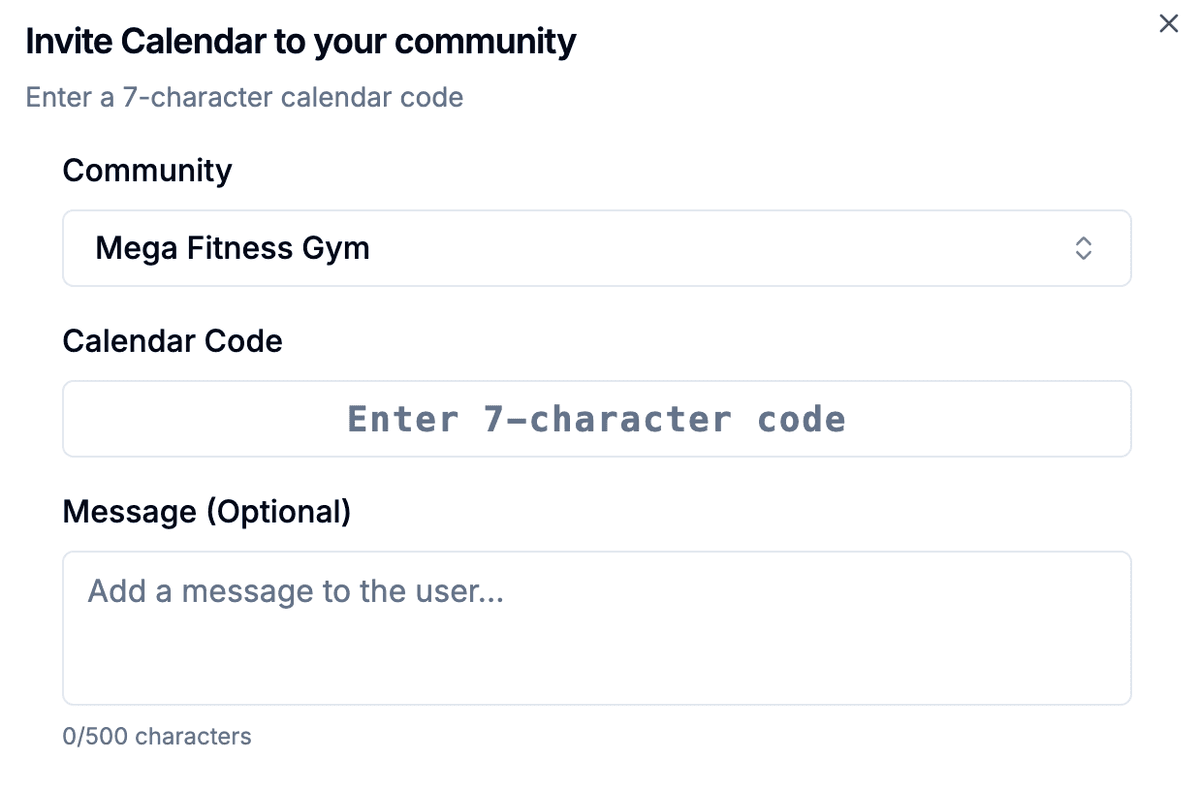
Sending customers to separate booking links for each room creates unnecessary friction. They have to know which room they want before they've had the chance to browse — and comparing availability across rooms means opening multiple tabs and hoping the times line up. A SKEQ Community groups all your room calendars under a single, discoverable page. Guests arrive at one link, browse every room, check availability across all of them, and read the reviews for each experience before deciding. It works the way customers already expect venue browsing to work — everything in one place, nothing to hunt for.
A Space for the Community That Keeps Coming Back
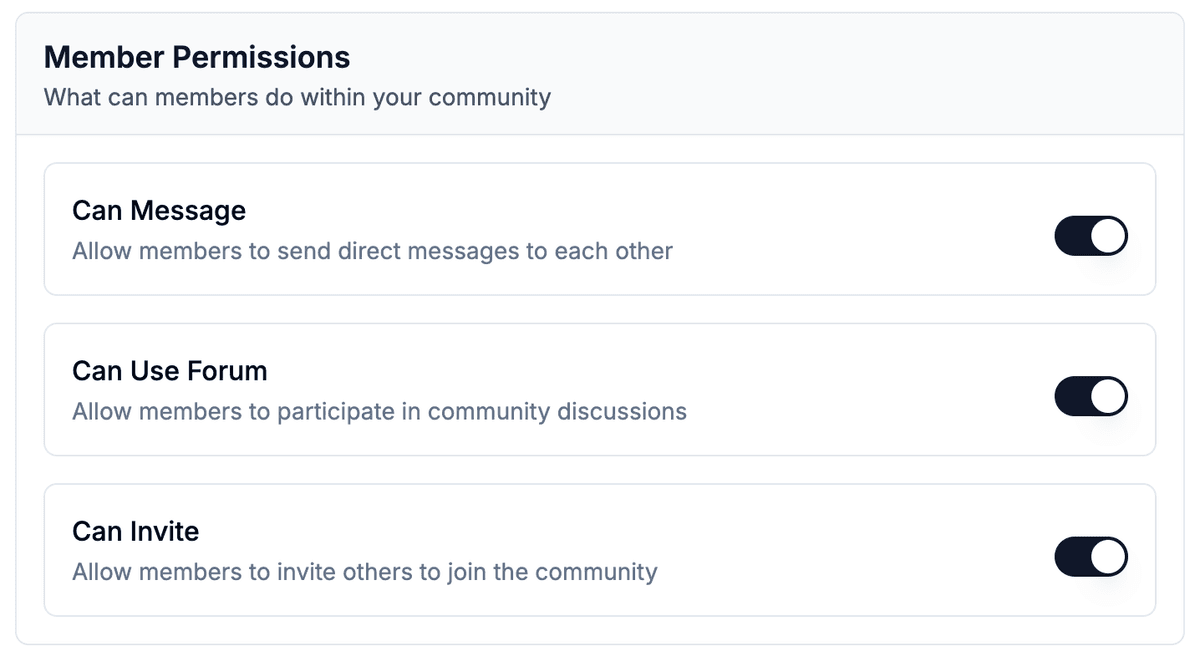
Escape room regulars compare times, organise visits, and scout new rooms — that conversation is already happening in group chats operators have no presence in. The SKEQ community forum gives it a proper home. Members discuss rules, share tips, coordinate competitions, and hear about new rooms the moment they launch — all within a members-only space that stays relevant and free of noise. It turns a booking page into a destination.
Give Your Best Customers a Reason to Stay
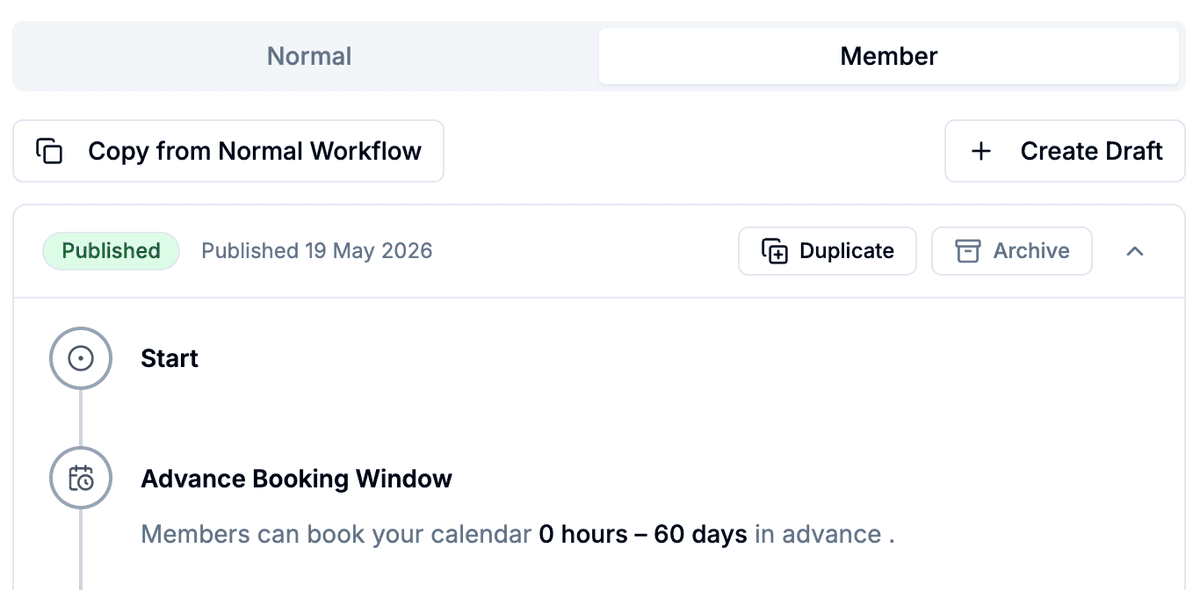
Regulars who follow your community can be rewarded with perks that mean something — not just a discount, but genuine priority. Members get access to exclusive content and a booking experience that reflects their loyalty. Operators can open booking windows for members earlier than the general public — so when a new room launches or a popular slot opens up, followers get first pick. Member bookings can also be set to auto-approve without a deposit, removing the friction that everyone else experiences. It's a meaningful difference that turns a casual visitor into someone who actively follows the venue and comes back.