Workforce & Relief Staff Management
Find Who's Available, Fill the Gap in Minutes
SKEQ isn't just for selling services — it's for managing the people who deliver them. Schools, event companies, and operations teams can use SKEQ to build a private pool of freelance and relief staff, see who's available in real time, and confirm a booking without a single group chat.
A Reliable Freelance Pool Is Only Useful If You Can Actually Reach It
The list lives in someone's head — or worse, a spreadsheet
Every organisation that relies on freelance or relief staff builds a list over time — science teachers, math teachers, event crew, part-time technicians. But that list rarely lives anywhere structured. It's a contact group in WhatsApp, a column in a spreadsheet, a set of numbers saved with first names and no context. When the coordinator who maintains it leaves, the institutional knowledge goes with them. There's no profile, no subject matter, no availability — just a number and a hope that the person picks up.
Finding someone available means messaging everyone and waiting
A relief teacher is needed for tomorrow morning. The coordinator opens WhatsApp and starts down the list — one message, wait. Another message, wait. A reply comes in but the person is only free in the afternoon. By the time someone confirms, twenty minutes have passed and three people are still unread. There is no way to see availability at a glance. Every placement is a small emergency managed through a chat interface that was never designed for it.
Payouts are a conversation nobody can fully verify
At the end of the month, someone has to reconcile how many sessions each freelancer completed, what rate applied to each, and how much is owed. That conversation starts with "how many bookings did you do?" and ends with someone checking their notes against someone else's memory. For corporate engagements where a receipt is required for every payout, the informal record-keeping that most freelance pools rely on simply doesn't hold up — and the back-and-forth to reconstruct it wastes everyone's time.
How SKEQ Supports Workforce and Relief Staff Management
A Private Pool, Visible Only to the People Who Need It
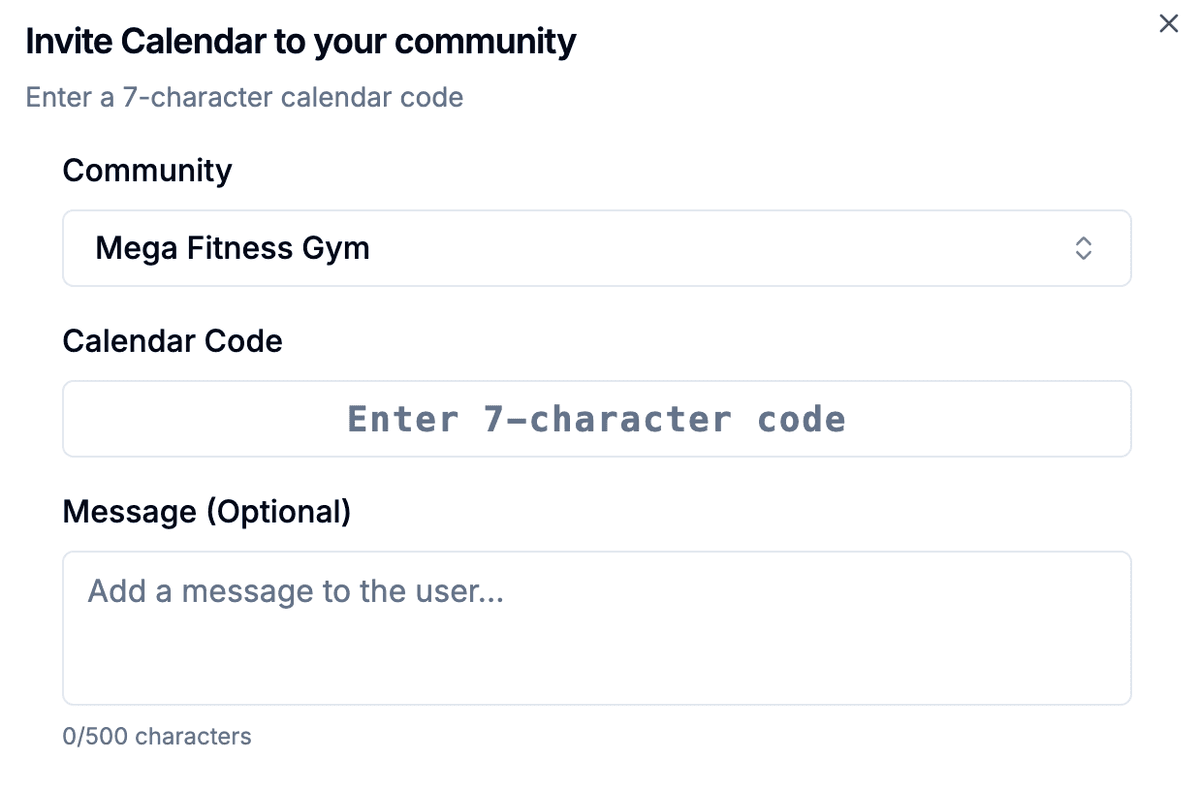
The starting point is a private SKEQ community — an internal space that exists outside of public search, visible only to members who have been explicitly invited. Each freelancer or relief staff member creates their own calendar and joins the community, making their availability, their profile, and their booking history accessible to the organisation without exposing any of it to the outside world. Private calendars work the same way. A relief teacher's schedule — when they're free, when they're booked, what subjects they cover — is visible within the community but not discoverable by anyone outside it. Rates, session history, and booking details stay between the freelancer and the organisation. It's a shared workspace with a closed door — everything the team needs to see, nothing that should stay internal leaking out.
Freelancers Control Their Own Availability — The Community Sees It in Real Time
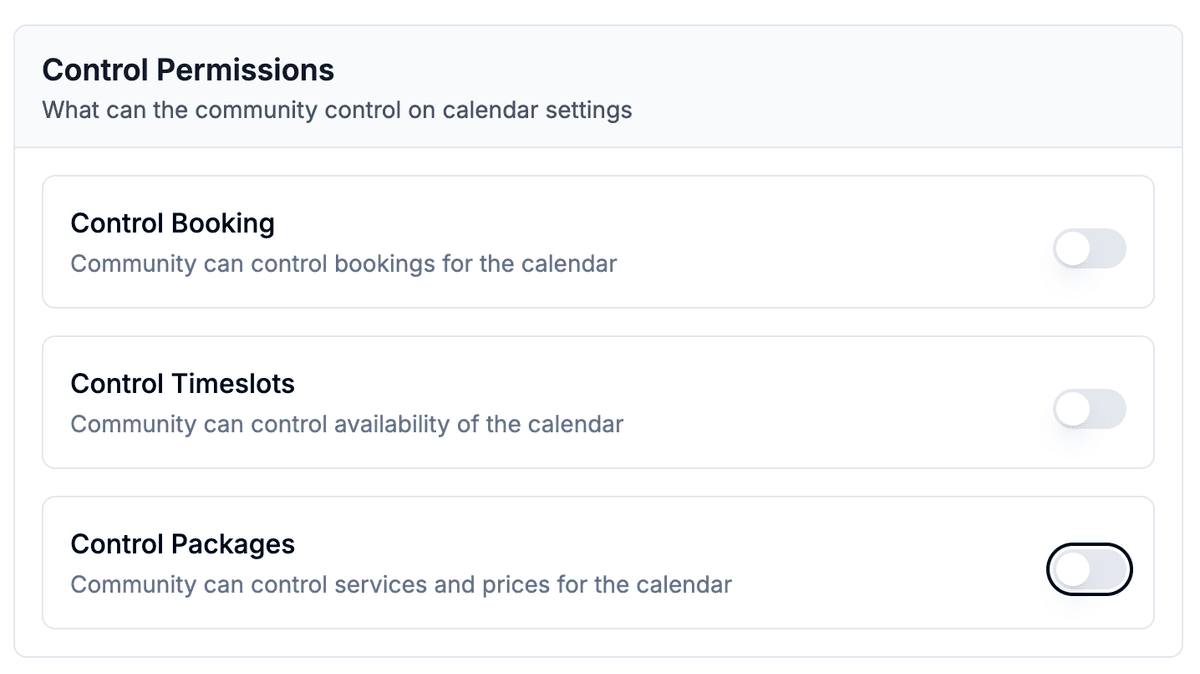
Most relief teachers and freelancers don't work for just one organisation. A science relief teacher might be on the pool for three different schools across the district. Rather than maintaining separate calendars for each, they share a single calendar across all three communities. Every school sees the same live availability — and when one school books a slot, it closes automatically for all the others. No double-booking, no follow-up message, no manual update needed. Because the community controls are set to off, the freelancer remains in full control of their own calendar — opening and closing slots as their schedule changes, without any organisation being able to modify their availability on their behalf. What the freelancer publishes is exactly what every community sees, in real time.
Search, Message, Book — Without Leaving the Platform
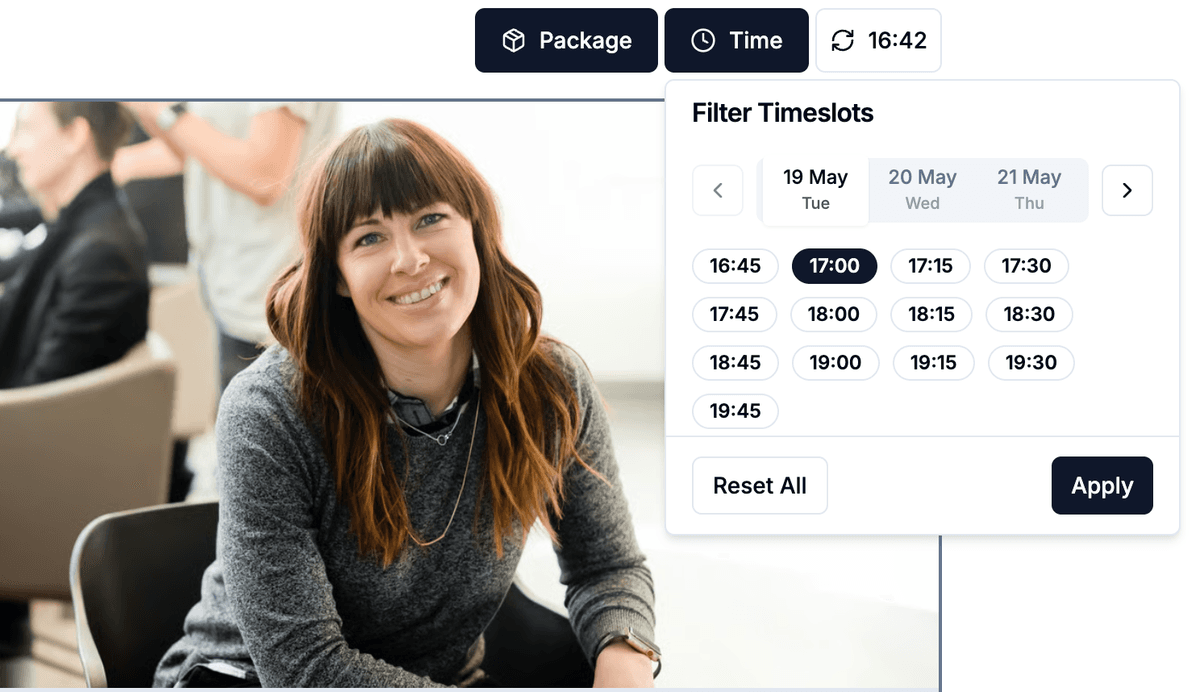
When a relief teacher is needed for tomorrow morning, the coordinator opens the community, searches by availability, and sees immediately who is free for the slot. No messages sent to people who aren't available. No waiting for replies that may not come. The answer is on the screen before the first message is sent. From there, everything stays in one place. The coordinator messages a candidate directly through the booking — asking a quick question, confirming the location, checking on transport — and submits a booking request the moment they're ready. The freelancer receives an instant notification, reviews the details, and confirms. The slot closes across every community the freelancer belongs to. The whole process, from search to confirmed booking, takes minutes rather than the better part of a morning.
A Booking Both Sides Have Confirmed
Community owners should advise each freelancer to set their calendar to manual approval. This means every booking request requires an explicit confirmation from the freelancer before it locks in. The coordinator sees the approval, the freelancer is on record as having accepted, and both sides enter the engagement with no ambiguity about who is expected where and when. It turns a notification into a commitment.
No More "How Many Sessions Did You Do?"
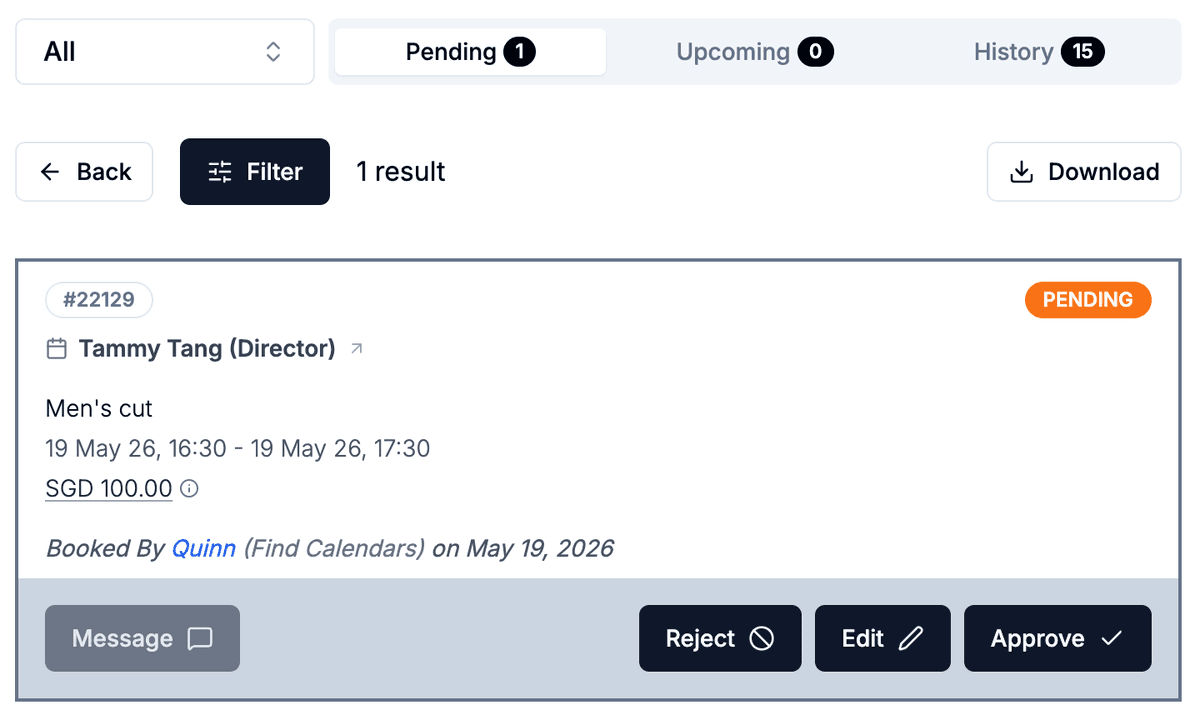
Every confirmed booking in SKEQ is a timestamped record — who was booked, for which slot, at what rate, confirmed by both parties. At the end of the month, that record is the payout. No chits to sign, no spreadsheet to reconcile, no conversation that starts with each side quoting a different number. The freelancer exports their booking history from their own calendar — a clean record of every session completed, ready to share as supporting documentation for invoicing or corporate reimbursement. On the coordinator's side, every booking made is visible under My Bookings, giving them a matching record to cross-reference against whatever the freelancer submits.
Distribute the Coordination Without Losing the Overview
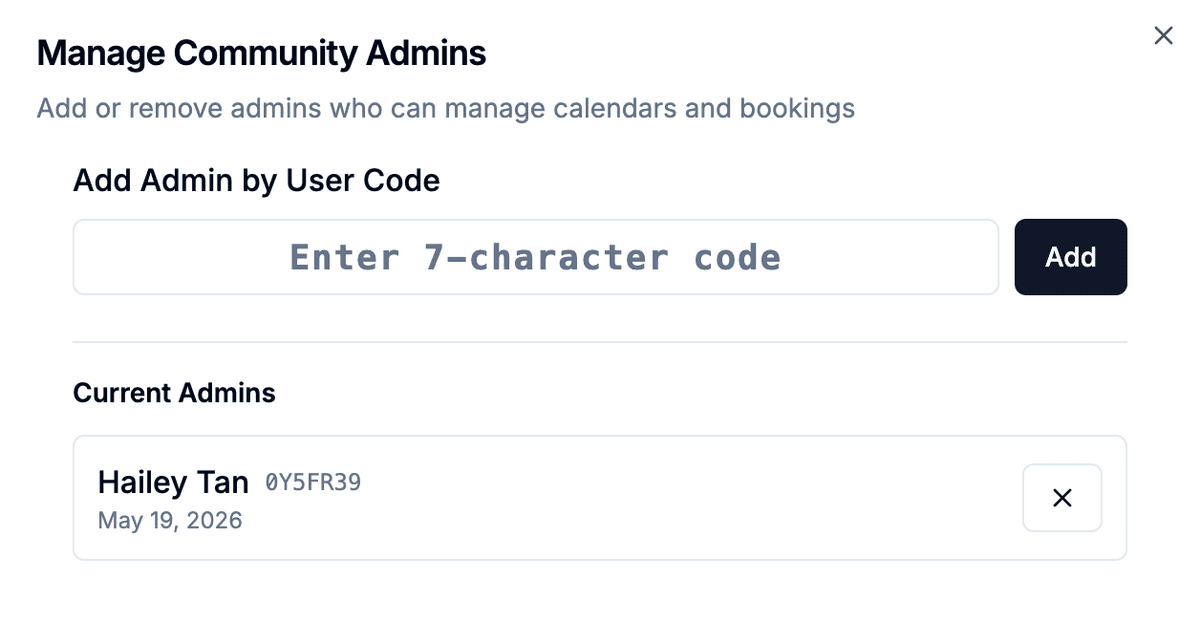
In larger organisations, relief staff coordination rarely falls to one person. A school might have a department head managing science relief, another handling math, and an admin office overseeing the whole pool. SKEQ's co-admin feature lets the community owner assign multiple coordinators — each able to search availability, submit bookings, and manage their own department's queue — without sharing account ownership. Each coordinator works within the same private community, seeing the same live availability and booking the same pool of freelancers. The owner keeps the overview without being the single point of contact for every gap that needs filling.