

Fractional Executives & Senior Independents
Senior Expertise, Shared Across the Clients Who Need It Most
Fractional work is not freelancing — it's a long-term professional commitment to multiple organisations simultaneously. SKEQ helps fractional executives manage their time across clients, set clear boundaries on availability, and present a professional booking experience that reflects the seniority of what they offer.
Operating Across Multiple Clients Requires More Than a Shared Calendar
Coordinating time across three clients without creating chaos
A fractional CFO serving three companies simultaneously doesn't have three separate schedules — they have one, and every client thinks they have priority access to it. When Client A books a strategy session on the same morning Client B expects a board review, something has to give. Without a system that shows real availability across every engagement, the fractional executive becomes the single point of coordination failure — managing conflicts manually, apologising for overlaps, and spending time they don't have untangling a schedule that should have been visible from the start.
One rate for the public, another for each existing client
Fractional engagements are negotiated. An existing client who committed to a six-month arrangement locked in a rate that reflects volume, loyalty, and relationship. A new prospect browsing your public profile should see a different rate — the one that reflects what a fresh engagement costs before terms are agreed. Mixing these two audiences on the same booking page is either commercially damaging or professionally awkward. The fractional executive needs two faces: one public, one private — each configured for the audience it serves.
Existing clients need priority — but the system doesn't know that
A committed client who is six months into an ongoing engagement should have first access to the schedule. A new client discovery call should not be able to displace time that has implicitly been reserved for existing obligations. Without a way to give existing clients a longer advance booking window — letting them plan further ahead before the public calendar even opens — the fractional executive has no structural way to honour the relationships that already pay the bills.
Proving the quality of your work without a company name behind you
A fractional executive's reputation is entirely their own — there is no employer brand to borrow credibility from. A new prospect deciding whether to engage them has a CV, a LinkedIn profile, and whatever they can find online. What they rarely find is a live, verifiable record of engagements completed, outcomes delivered, and clients who were satisfied enough to say so publicly. The gap between what a fractional professional knows they can do and what a new client can verify is where most opportunities are lost.
How SKEQ Supports Fractional Executives and Senior Independents
Two Calendars — One for the World, One for Your Clients
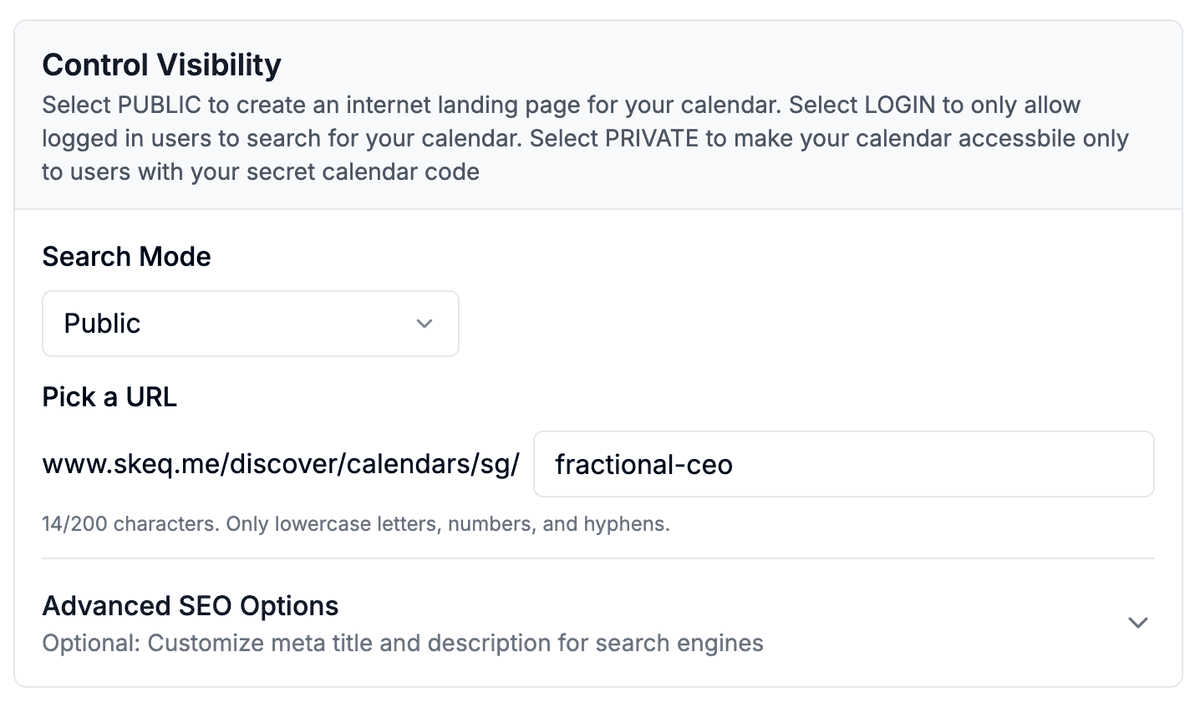
Create two SKEQ calendars. The first is public — discoverable on Google, priced for new engagements, visible to anyone. The second is private — shared only with existing clients, carrying their negotiated rates without exposing them to the outside world. Neither audience sees what belongs to the other. A prospect browsing the public calendar sees standard rates and availability. An existing client with the private link sees their negotiated rate. Two faces, one person, no awkward rate conversations.
Sync Both Calendars — A Booking on One Closes the Other
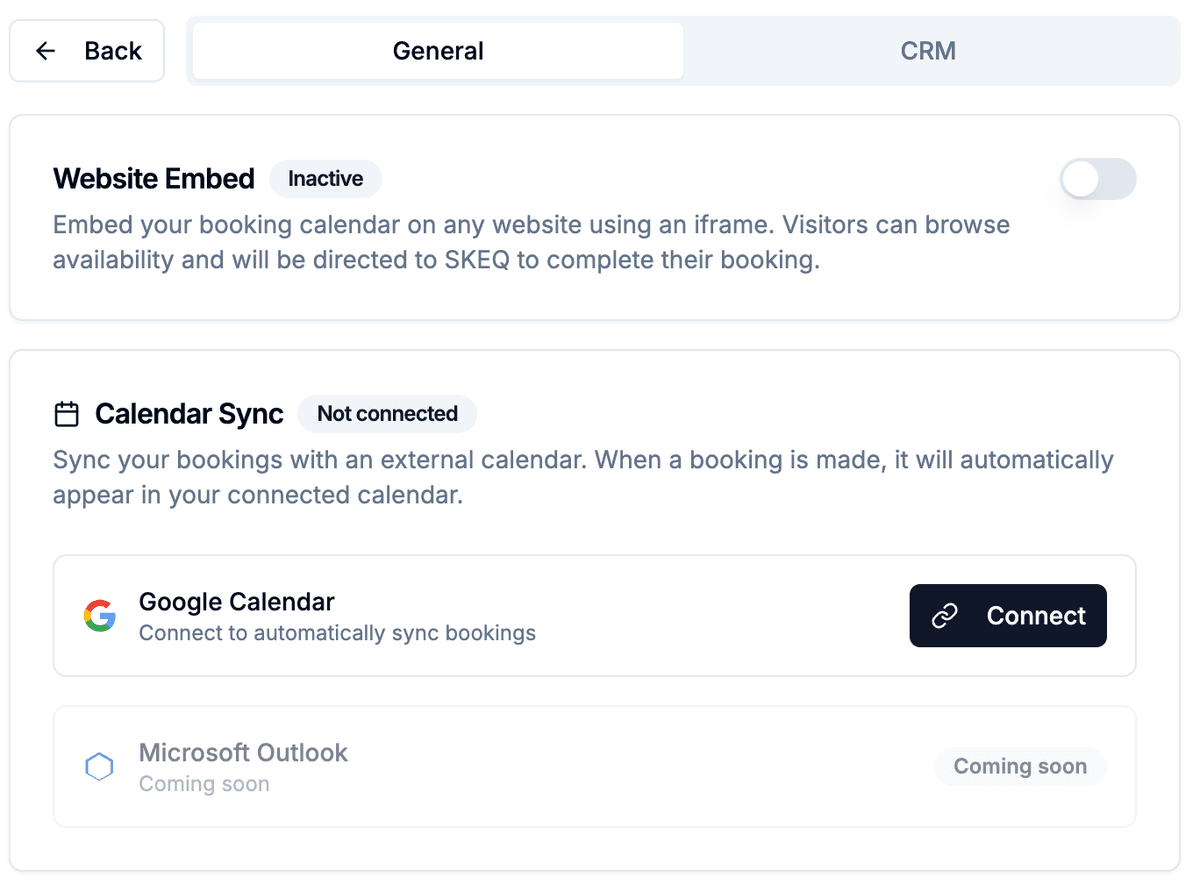
Two separate calendars create two separate booking flows — which is exactly right for clients, but creates a risk of overlap if they're not connected. Syncing both SKEQ calendars to the same Google Calendar closes that gap. A session confirmed on the private calendar blocks that slot on the public calendar immediately — and vice versa. A prospect browsing the public page sees the time as unavailable without knowing it was taken by an existing client. Existing clients are protected. No overlap, no manual blocking, no checking across tabs before confirming a session.
Engage Prospects Without Handing Over Your Contact Details
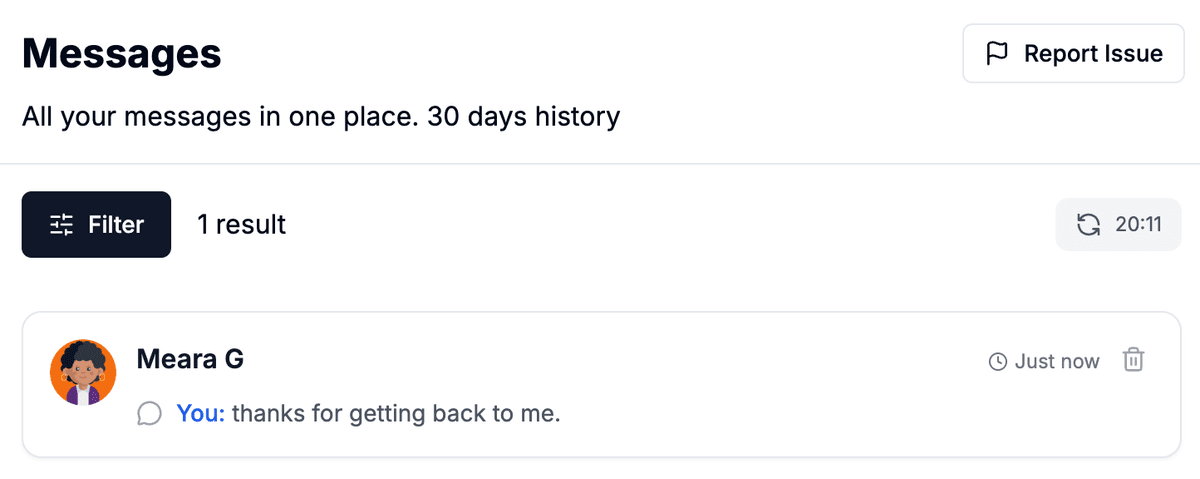
A fractional executive's public calendar attracts genuine prospects — and occasionally, people who treat a free discovery slot as an opportunity to harvest contact details for purposes that have nothing to do with an engagement. Sharing a personal email or phone number publicly is an invitation for both. SKEQ's in-app messaging keeps every pre-booking conversation inside the platform — the prospect asks questions, the fractional executive responds, and nothing personal changes hands until both sides have decided it's worth taking further. A personal email or number is shared only when the fractional executive chooses to share it — after a booking is confirmed, after the first session, or whenever it feels right. Until then, the platform is the channel.
Give Existing Clients First Access to Your Schedule
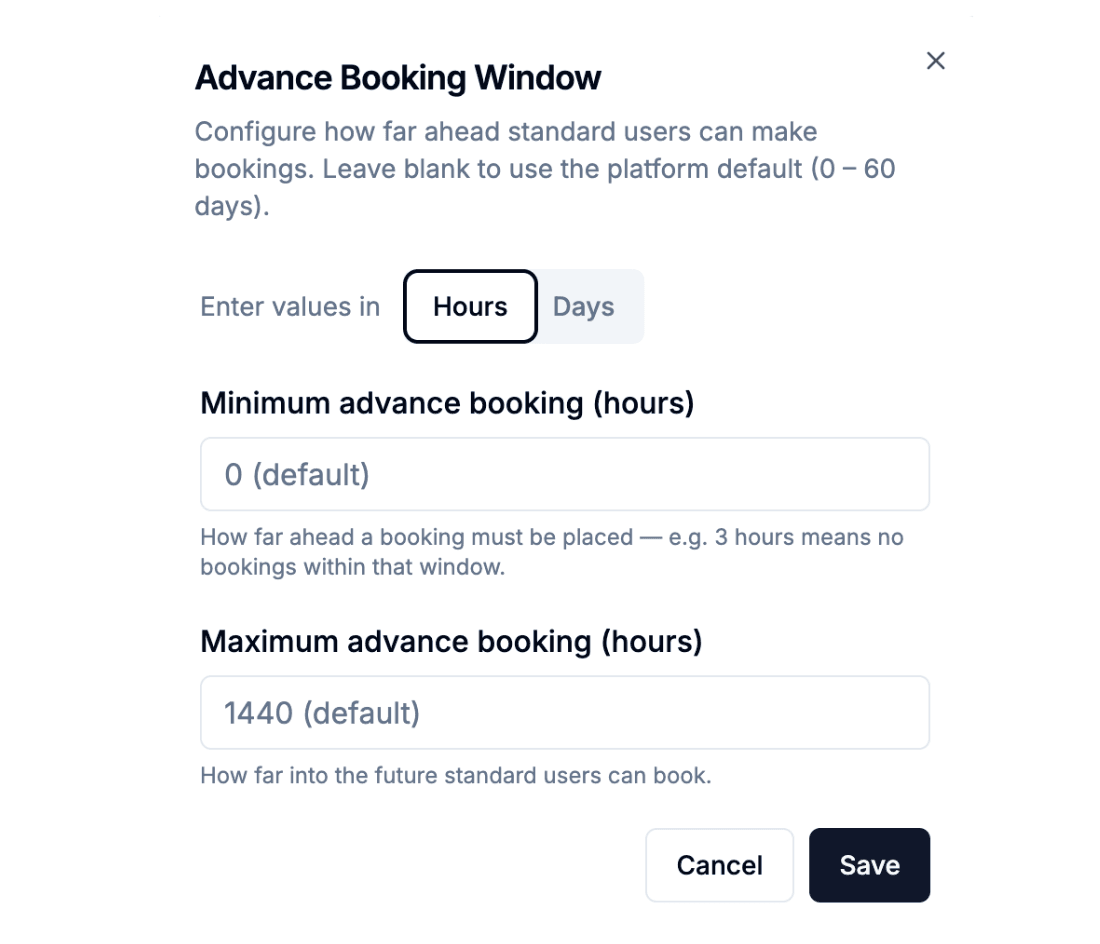
A client six months into an ongoing engagement should never be competing for schedule time with a prospect who sent an enquiry yesterday. SKEQ's advance booking window setting lets the private calendar open significantly further ahead than the public one — giving existing clients the runway to plan their next quarter before new prospects can even see the slots. Set the private calendar to open 90 days out and the public calendar to 30. Existing clients plan ahead, lock in the time they need, and the relationship stays protected. By the time a new prospect books a discovery call, the committed clients have already secured what matters to them.
Arrive Prepared — Not With Questions
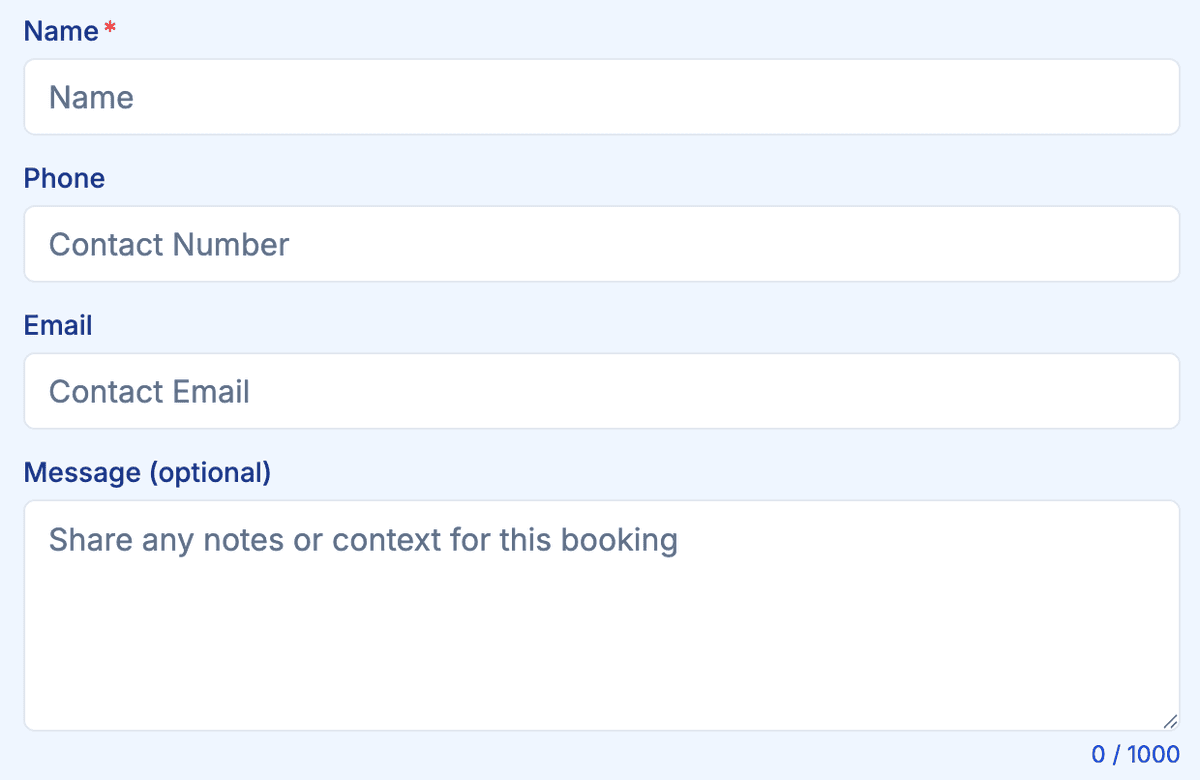
A fractional executive's time is expensive. Opening a discovery call with "so, tell me about your business" wastes the first twenty minutes of a meeting that should have started at a much higher level. The context a prospect needs to provide before the first session should be collected before it — at the point of booking. SKEQ's custom booking form lets operators collect whatever they need to walk into every meeting fully briefed — company size, the challenge they're trying to solve, what they've already tried, what outcome they're looking for. The prospect fills it in at booking. The fractional executive arrives with context, not questions. The first session is immediately more valuable — and first impressions at that level are everything.
Every Booking Reviewed Before It Confirms
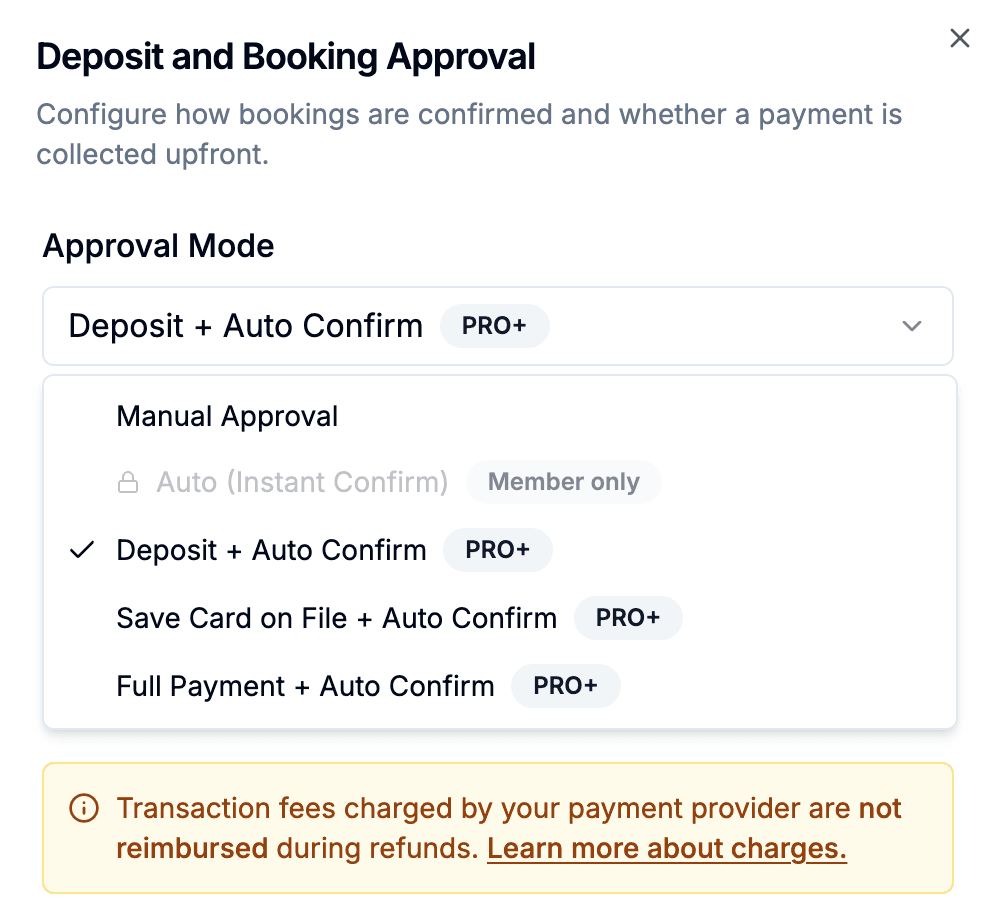
Fractional consulting is not a commodity. A discovery call is not a coffee — it's a conversation that requires preparation, context, and the right fit on both sides. Manual approval gives the fractional executive the moment to review the booking form, assess the prospect, and decide whether the engagement is worth pursuing before committing time to it. By default, SKEQ sets bookings to manual approval — and for senior consulting engagements, we recommend leaving it there. That said, free discovery calls attract a specific type of prospect: one looking for answers without commitment. For fractional executives who have experienced this, setting the public calendar to auto-approve with a deposit puts a financial qualifier in front of every booking — separating prospects who are genuinely exploring an engagement from those seeking a free hour of senior advice.
Sell Blocks of Time — Let Clients Draw Down as They Need
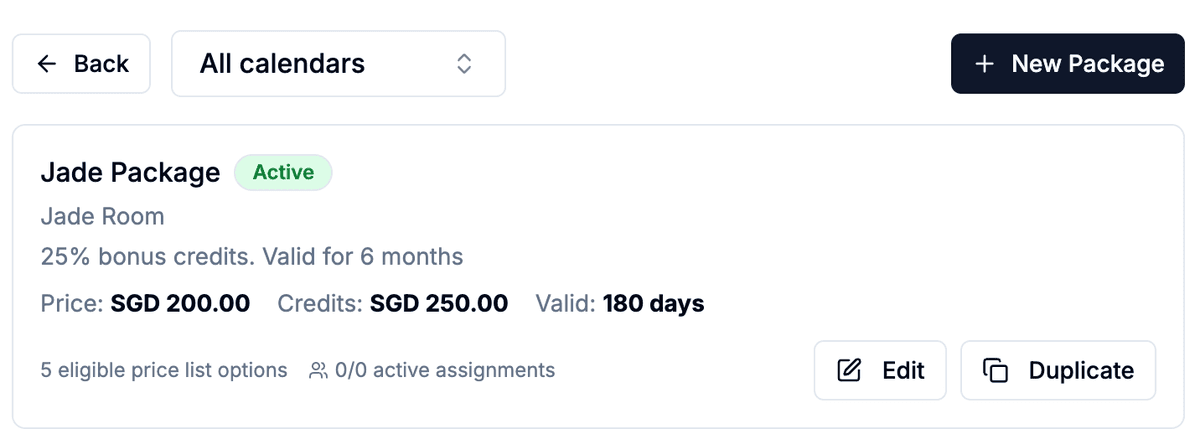
Most fractional engagements run on a retainer — a committed block of hours purchased upfront, drawn down across sessions as the work unfolds. Tracking that balance manually means someone is always asking how many hours remain, and the answer is rarely immediate or exact. SKEQ's packages feature turns that retainer into a structured credit balance. Sell a block of ten hours to a client, and every session they book draws down against it automatically. The client can see their remaining balance in their account at any time — no email thread required, no manual reconciliation at the end of the month. When the balance runs low, a renewal prompt fires automatically, keeping the engagement rolling without either side having to remember to initiate it.
Ready to operate across clients with the infrastructure your work deserves?
Get your first calendar live for free — set up your public profile, configure your availability, and share your booking link. The tools for calendar sync, private client access, retainer packages, and booking qualification are there when your practice is ready for them. No credit card needed.