Volunteer Coordination & Non-Profits
Stop Chasing Volunteers. Let Them Come to You.
Managing volunteers shouldn't mean a planner manually locking in every shift. SKEQ flips the script — open your slots, set your minimum and maximum headcount, and let volunteers book the time that works for them. The right number of people, every session, without the coordination overhead.
The Planner Carries Everything — And the Schedule Still Falls Apart
Coordinating every shift manually is a full-time job in itself
The planner needs three volunteers for Saturday morning. They message the group, wait for replies, follow up with the ones who didn't respond, confirm with the ones who did, and update a spreadsheet that nobody else can see in real time. Multiply that across every slot in the week and volunteer coordination becomes the dominant task — consuming time that should be spent on the actual mission. The planner becomes the single point of failure for a schedule that only exists in their messages and their memory.
Too many volunteers or not enough — and no way to know until it's too late
Without a system that enforces headcount, both problems happen. Four volunteers show up when the shelter only has capacity for three — creating more chaos than help. Or two confirm and the third cancels the morning of, leaving a session understaffed with no time to find a replacement. There is no visibility into the real-time count until the day arrives, and by then the options for correction are limited.
Half-day blocks ask too much — so volunteers commit less
A half-day commitment is a significant ask for someone fitting volunteering around a job and a family. Many willing volunteers pass on slots they'd take if they were shorter. Offering half-day blocks as the only option means the organisation is turning away time it could have had — simply because the format doesn't fit the reality of how most people's days work. Smaller, flexible blocks lower the barrier and increase the pool of people willing to commit.
How SKEQ Supports Volunteer Coordination
Two Calendars — One to Recruit, One to Schedule
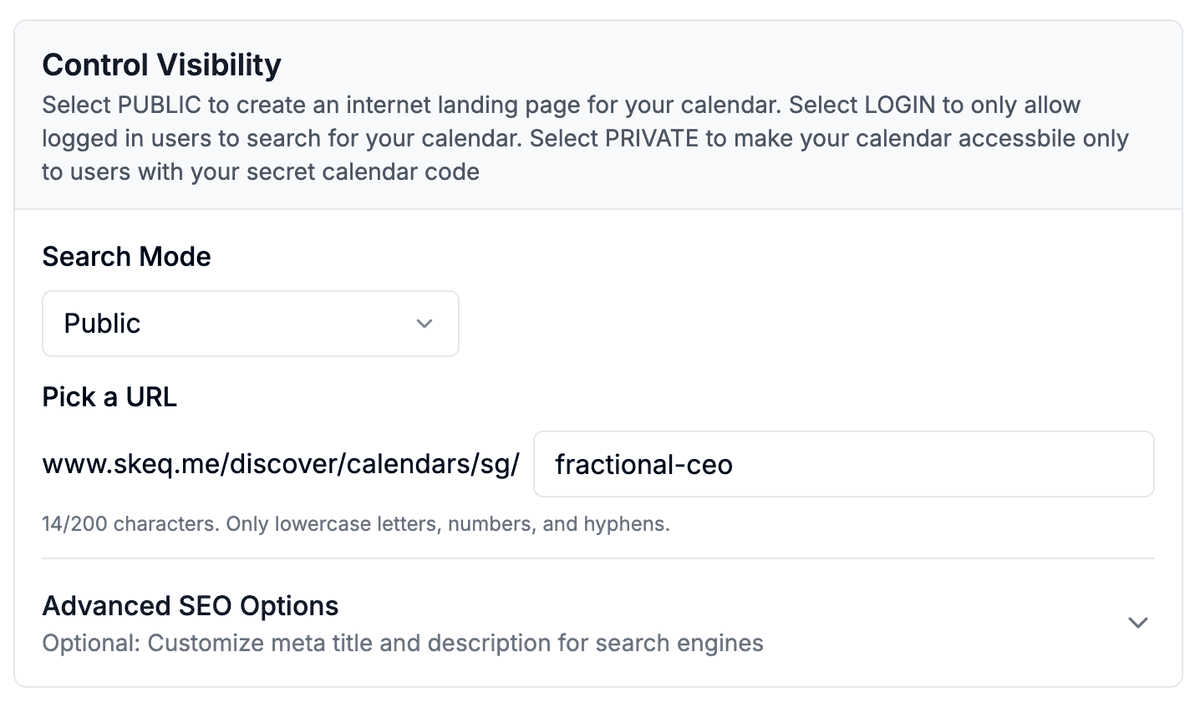
The volunteer operation runs on two distinct audiences — people who want to get involved but haven't been screened yet, and confirmed members who are ready to book shifts. SKEQ handles both with two separate calendars, each configured for the audience it serves. A public calendar for prospective volunteers find the organisation, learn about what's involved, and submit an application to join. A private calendar shared only with approved members to self-book their shifts
The Right Number of Volunteers, Every Slot — No More, No Less
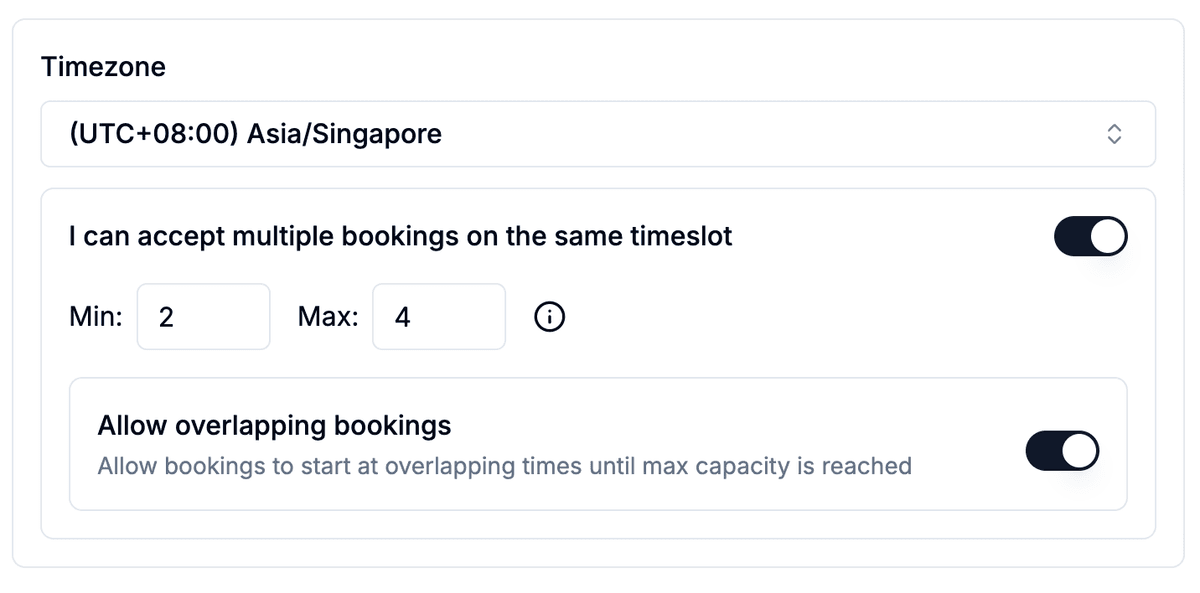
Configure the private calendar with a minimum of two and a maximum of four — or whatever the session requires. Once the cap is reached, the slot closes automatically and shows as full. Volunteers can see at a glance which slots still need people and which are covered, and book directly without any back-and-forth with the planner. Enable overlapping bookings so each volunteer books independently from the full session — their slot, their commitment, their confirmation. Breaking sessions into one-hour blocks rather than half-day commitments opens the calendar to a much wider pool. Someone with two free hours on a Saturday morning can commit to exactly that. More flexible slots mean more volunteers willing to show up, and more slots filled with less effort from the planner.
Screen First, Then Open the Door
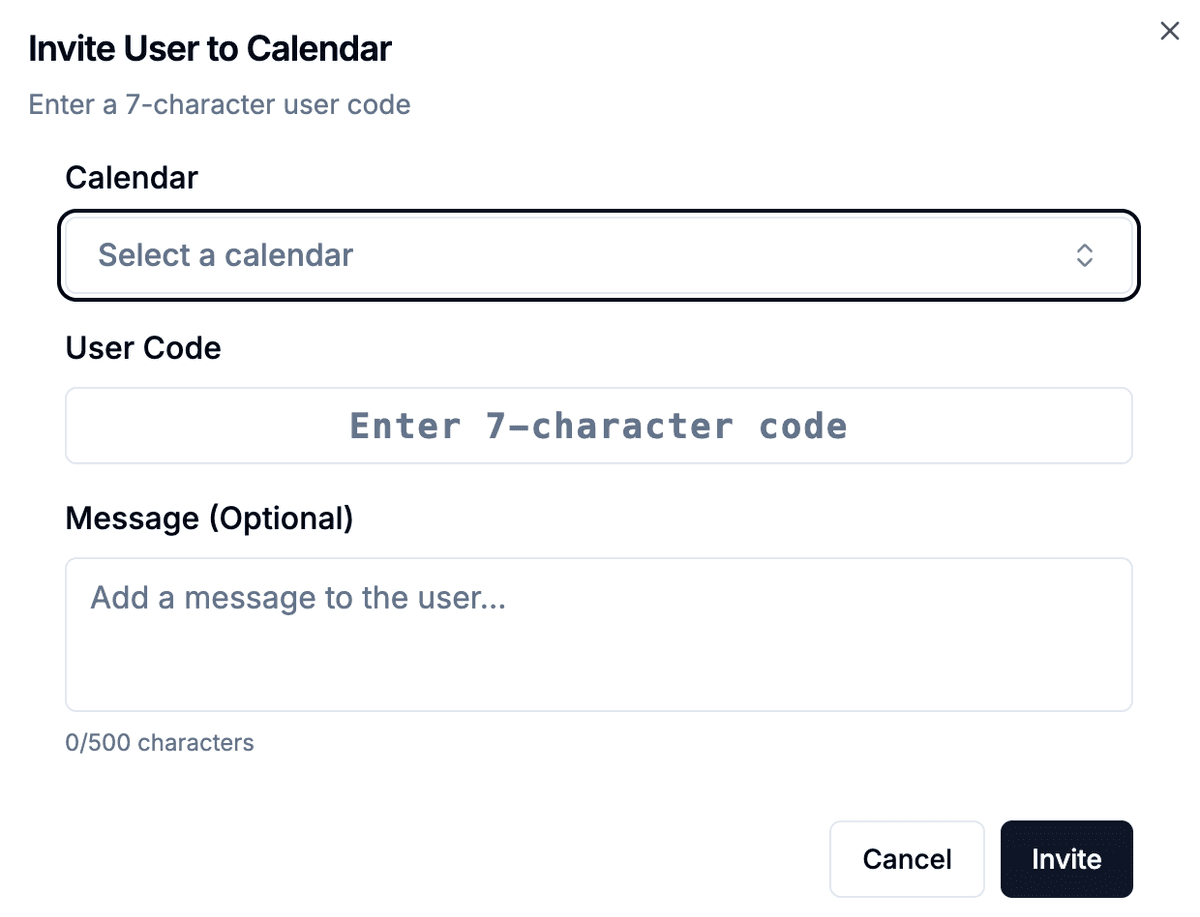
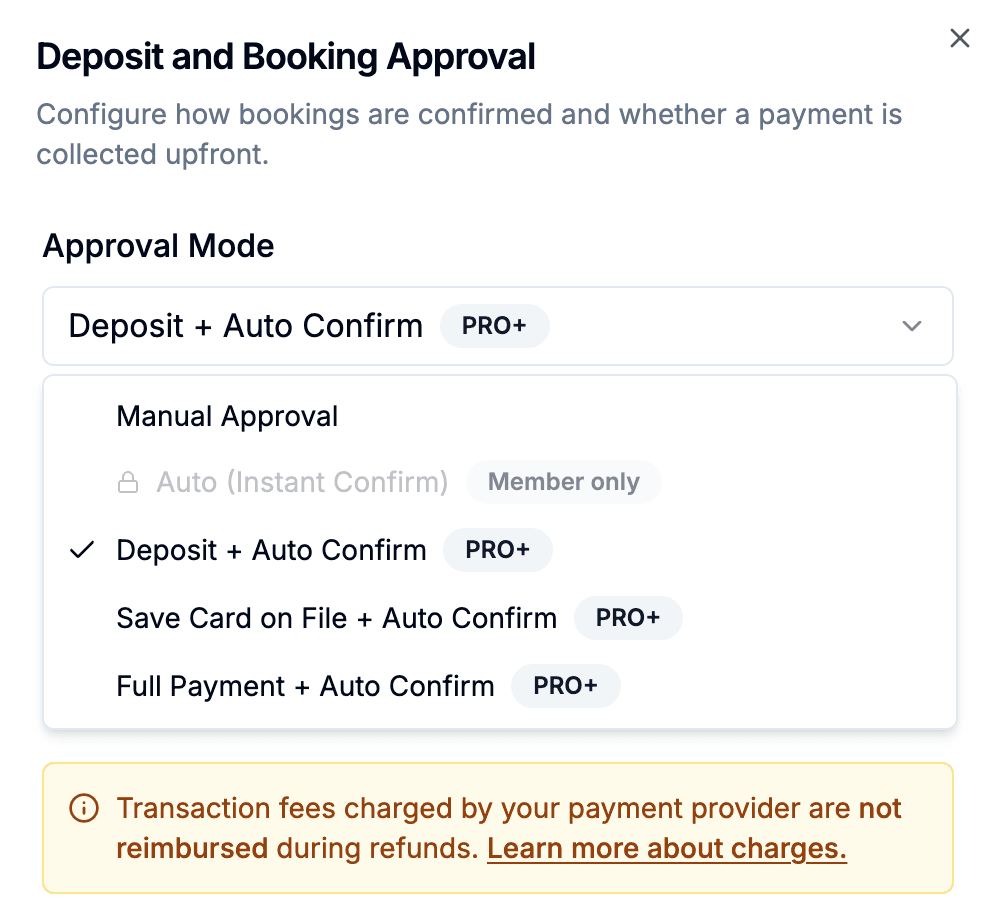
Not everyone who wants to volunteer is the right fit for every organisation. An animal shelter needs people who are comfortable with animals, understand the protocols, and can be trusted in the space unsupervised. The public calendar's manual approval setting gives the organisation a review step before any commitment is made on either side. Once approved, the operator can send an invitation to the member to access the private calendar to self-book shifts — the planner's involvement is done.
Know Who's Applying Before You Review Them
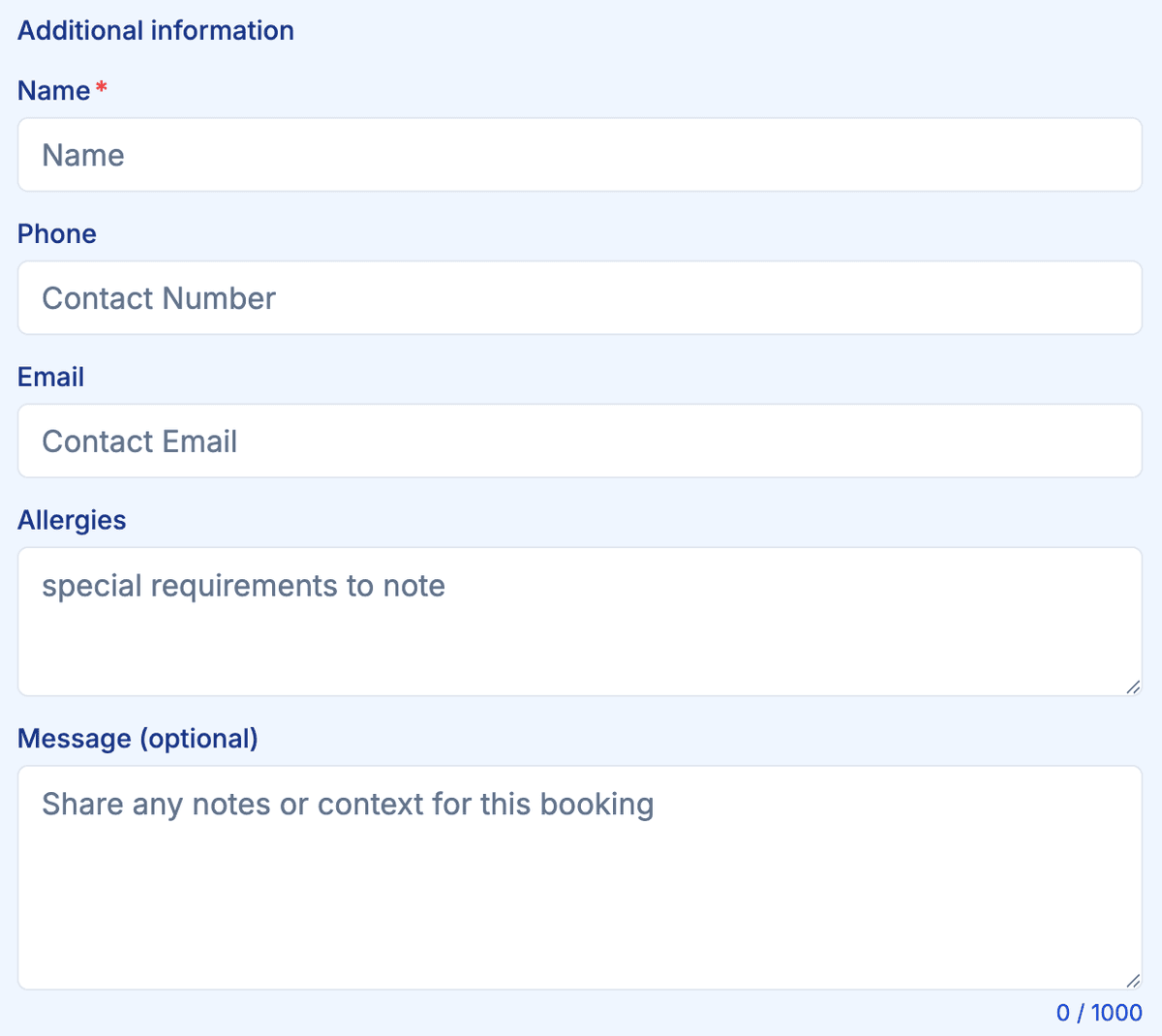
A name and an email address don't tell an organisation much about whether someone is the right volunteer. SKEQ's custom booking form lets operators collect whatever they need from a prospective volunteer at the point of application — before the planner spends any time on a review. Background, experience, availability, motivation — all captured upfront. If something needs clarifying, the planner can follow up through in-app messaging tied directly to the application. By the time a decision is made, the planner already has the full picture — and the ones who clearly aren't a fit are easy to identify without a meeting.
Confirmed Members Book and Confirm — Without the Planner
Once a volunteer has been screened and added to the private calendar, they no longer need to be approved for every shift they book. Setting the private calendar to auto-approve means a confirmed member selects their slot, books it, and receives an instant confirmation — no planner step required, no waiting, no friction between commitment and confirmation. For organisations that prefer to stay across every booking — smaller teams, sessions requiring specific skills, or situations where shift balance matters — manual approval on the private calendar remains an option. The right setting depends on how much oversight the planner wants to maintain once the volunteer pool is established.
Control How Far Ahead Volunteers Can Book
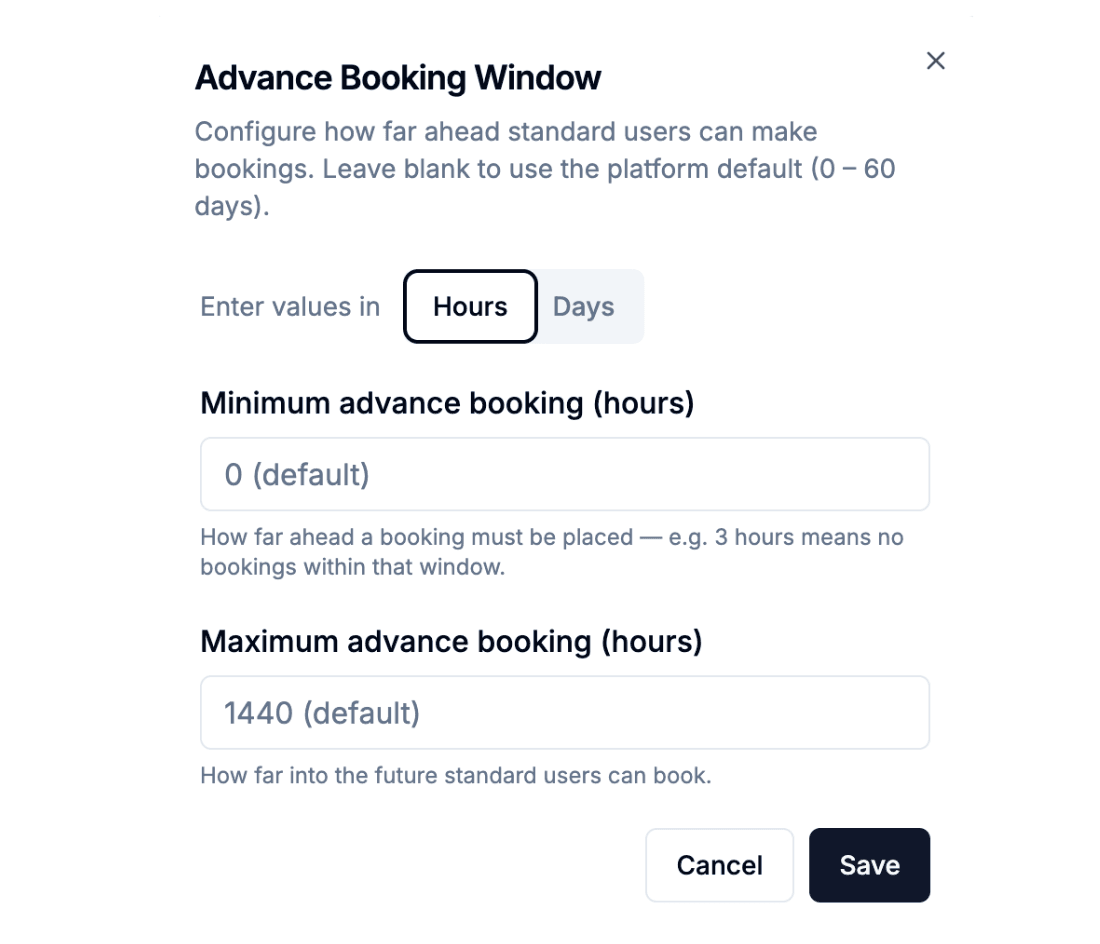
The advance booking window controls how far into the future a volunteer can secure a slot — and the right setting depends on what behaviour the organisation wants to encourage. Opening slots 30 to 60 days out lets volunteers plan their commitments alongside work and family schedules. Better for organisations with a stable, reliable pool who value advance notice — and for volunteers who need to see the full calendar before committing. Restricting the window to 7 to 14 days prevents volunteers from cherry-picking convenient future dates while nearer slots go unfilled. It nudges members to cover what's immediately needed before securing what's comfortable.
Keep the Community Engaged Between Shifts
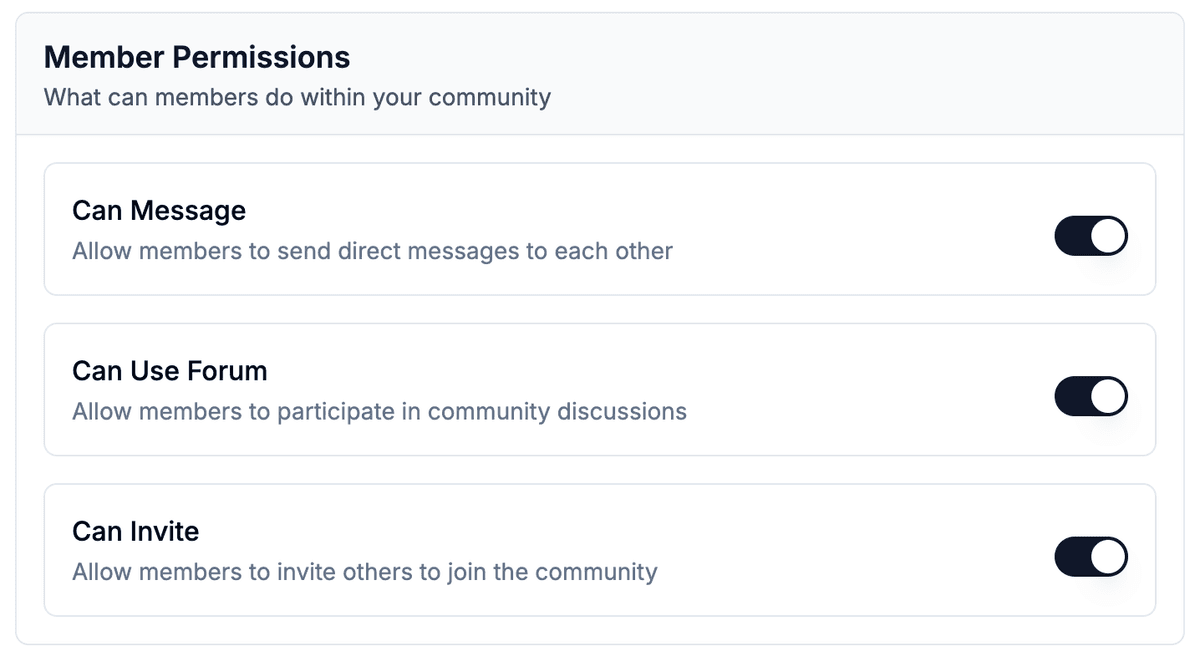
Volunteering is more than showing up for a shift. The members of a well-run volunteer community want to stay connected — to the organisation, to each other, and to the cause. The SKEQ community forum gives that connection a home that's already in the same place as their booking. Operators can post bulletins, share notices, and announce opportunities that go beyond the standard volunteer slot — a pet that needs fostering for two weeks, a lost animal spotted nearby, an urgent appeal for a specific kind of help. Members can respond, organise, and support each other in context. Because the forum is members-only, every conversation stays within a trusted, vetted community — the same people who have already been screened and approved.